Unlock the Hidden Techniques for Unforgettable Events

Events are the lifeblood of connection. From massive music festivals and industry-defining tradeshows to intimate corporate gatherings, they provide a space for people to learn, celebrate, and build communities. But behind every seamless, memorable event is a mountain of hard work and expertise. Pulling off a successful event requires more than just a good idea; it demands precision, creativity, and a deep understanding of production.

Are you looking to elevate your next event from good to unforgettable? Whether you are a seasoned event planner or new to the world of production, there are always new techniques to learn. We will share four expert secrets that industry professionals rely on to create flawless, engaging, and truly memorable experiences. These tips will give you a blueprint for success, covering everything from initial planning to final execution.

1. Plan with Meticulous Precision

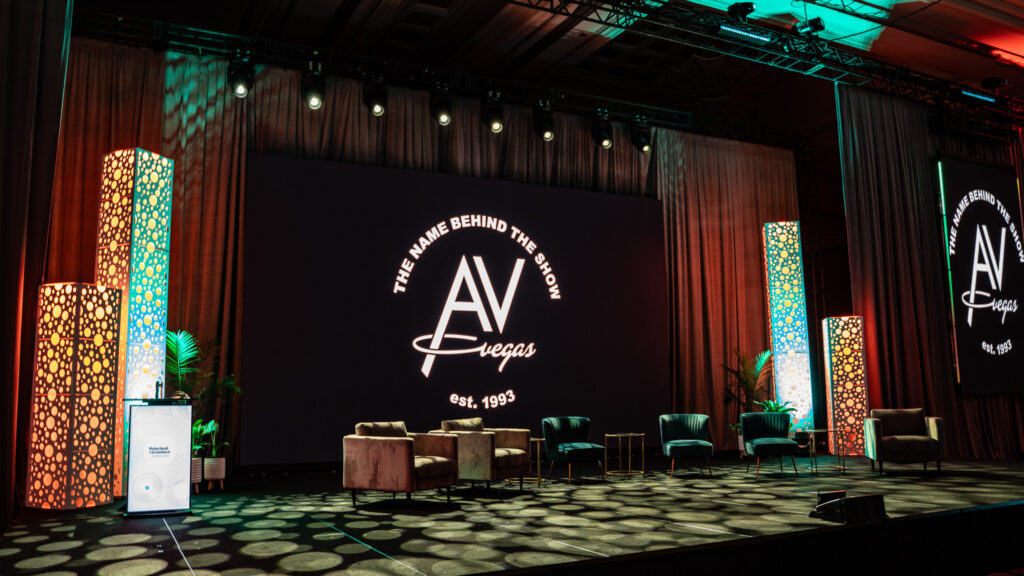
The foundation of any great event is a rock-solid plan. Without one, even the most creative concepts can falter. Professional event producers live by their production schedules and detailed plans, which act as the single source of truth for the entire team. A successful plan is not just a to-do list; it is a comprehensive strategy that anticipates challenges and maps out every detail.

Start your planning process months in advance. This gives you the runway to secure the best venues, vendors, and talent. Your initial plan should outline the event’s core objectives. What do you want to achieve? Are you launching a product, celebrating a milestone, or educating an audience? Defining your goals will guide every subsequent decision.

From there, break down the event into manageable phases:

  • Pre-Production: This includes budget creation, venue selection, vendor negotiation, marketing and promotion strategy, and content development.
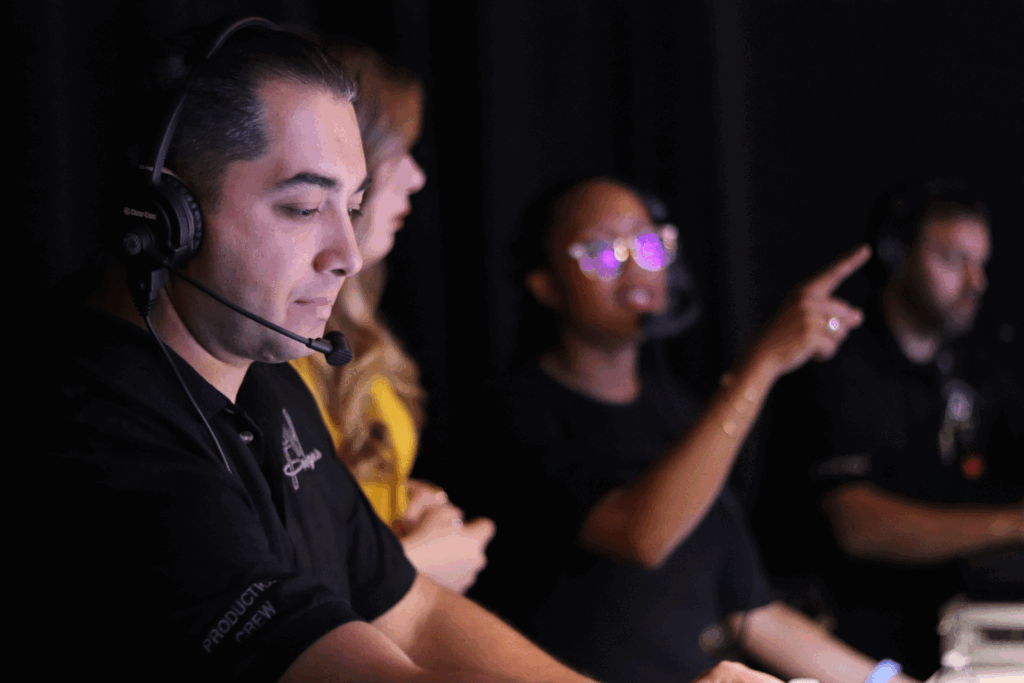
  • Production: This is the live event phase, covering load-in, setup, show execution, and staffing. Your plan should include detailed run-of-show documents, technical scripts, and communication plans.
  • Post-Production: This involves load-out, budget reconciliation, post-event surveys, and performance analysis.

A detailed plan empowers your team to work efficiently and cohesively. When everyone understands their roles and the timeline, you minimize the risk of costly errors and last-minute scrambles. Precision in planning is not about rigidity; it’s about creating a framework that allows for creative flexibility within a controlled environment.

 

2. Captivate and Engage Your Audience

An event is a two-way street. You are not just presenting to an audience; you are creating an experience with them. The most successful events make attendees feel like active participants rather than passive observers. Engagement is the key to making your event memorable and ensuring your message resonates long after the lights go down.

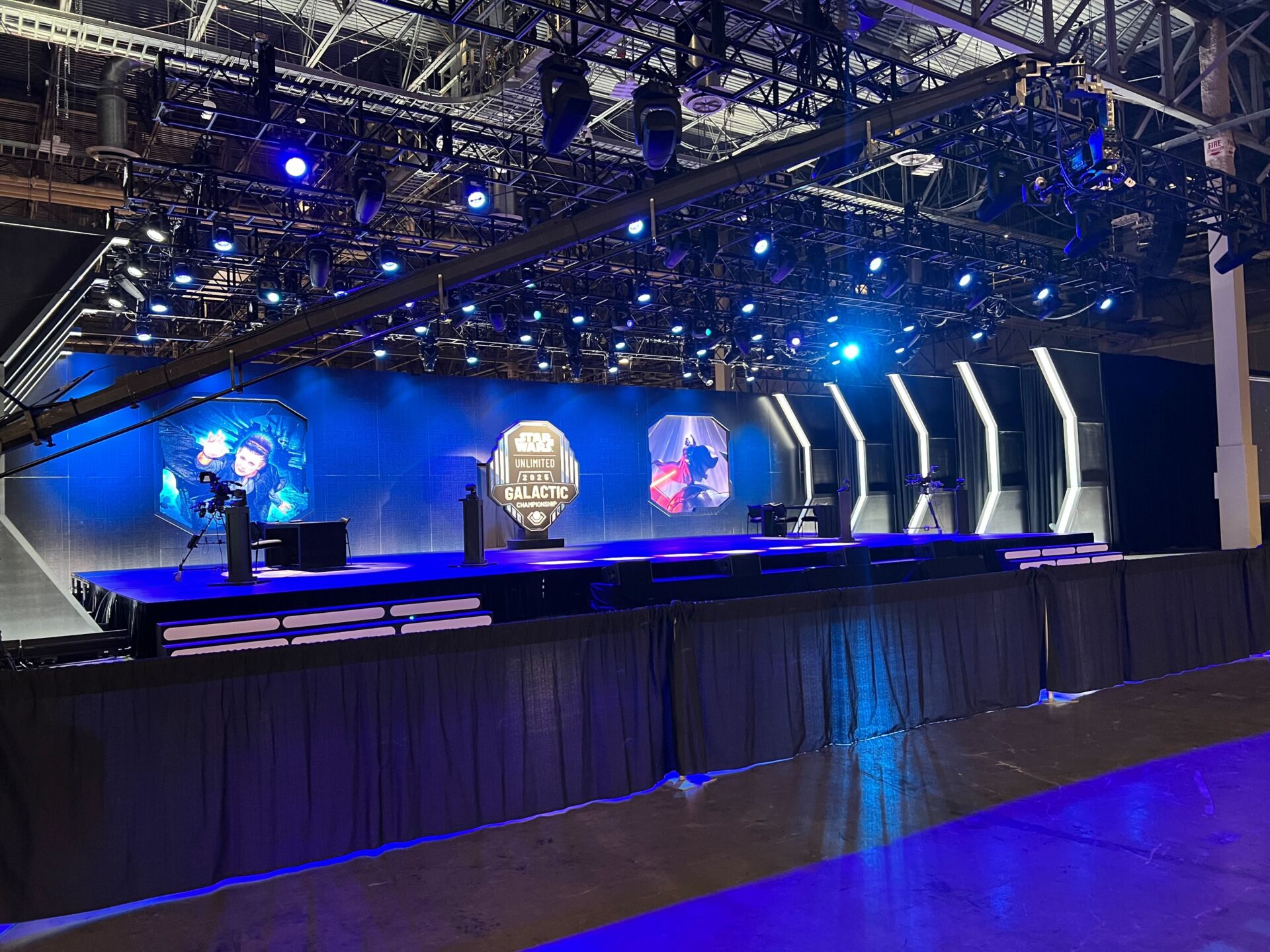
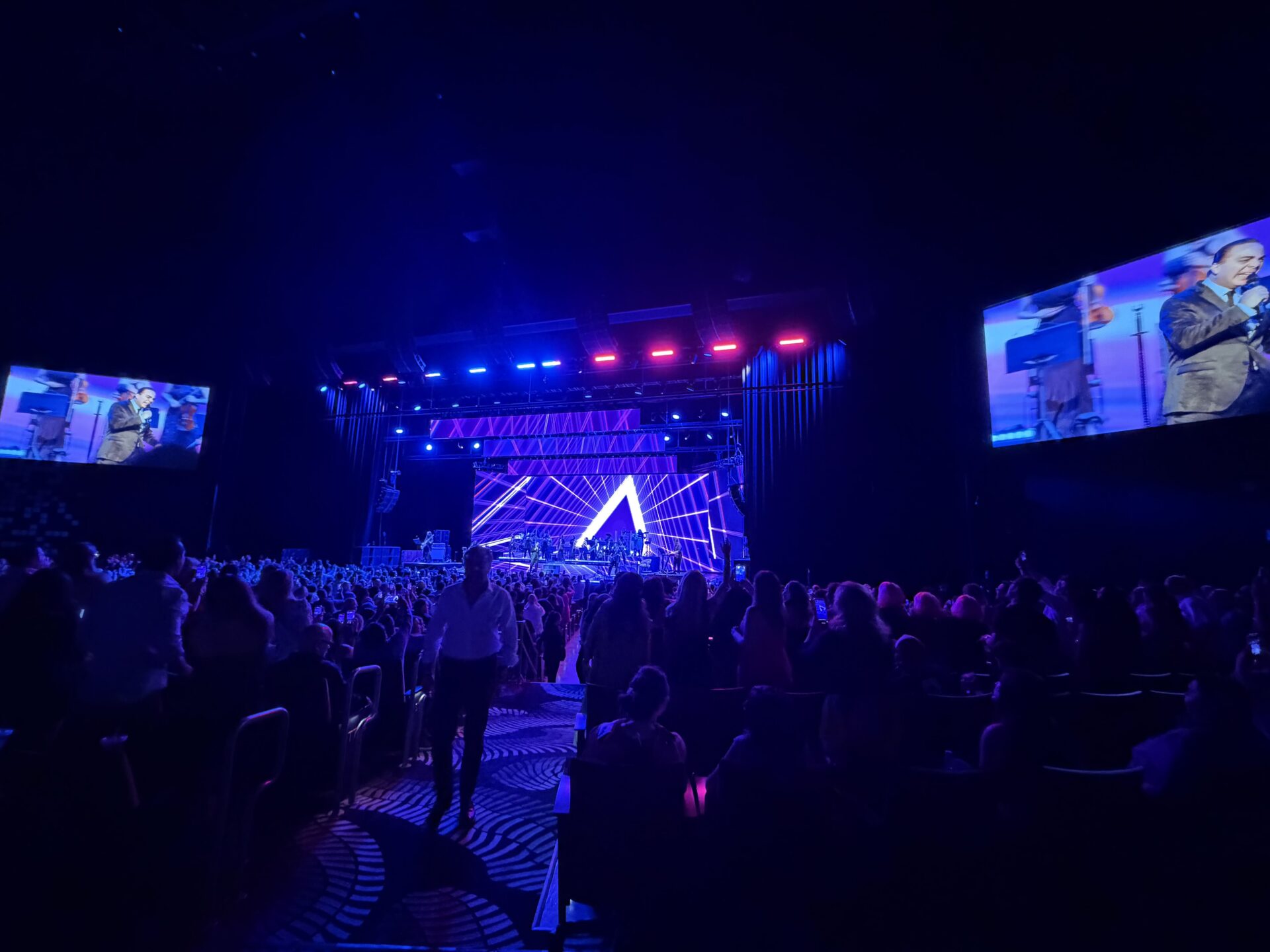
How do you create genuine engagement? Think beyond the stage. Incorporate interactive elements that invite participation. Large-scale LED video walls can do more than just display content; they can become interactive canvases. Consider integrating social media feeds, live polling, or Q&A sessions directly onto the screens. This not only involves the audience but also provides valuable real-time feedback.

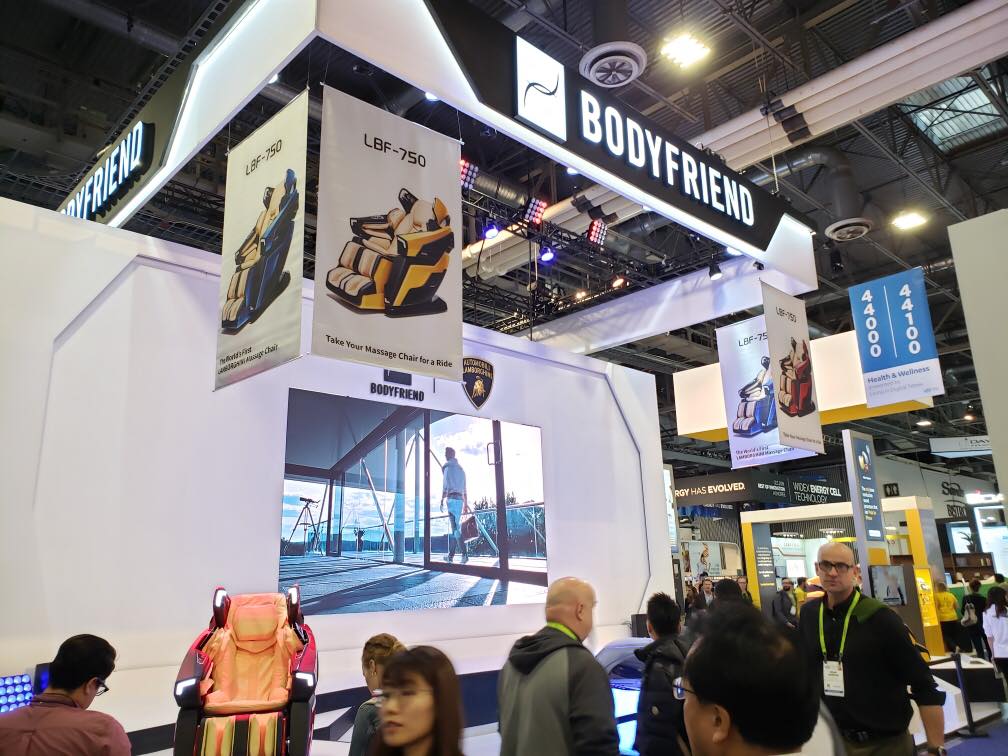
Sponsorships can also be leveraged to enhance audience engagement. Partner with a sponsor to create an interactive photo booth, a charging lounge, or a gaming station. These activations provide value to attendees while giving your sponsor meaningful brand exposure. The goal is to create touchpoints throughout the venue that surprise and delight your guests, making them feel seen and valued.


3. Create Immersive and Engaging Visuals

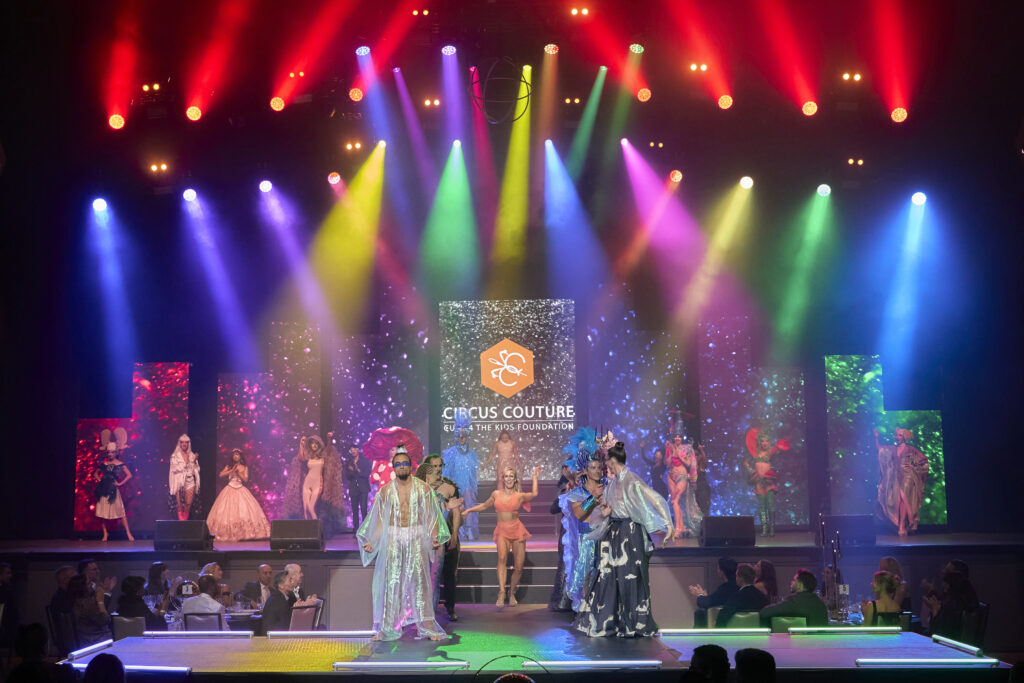
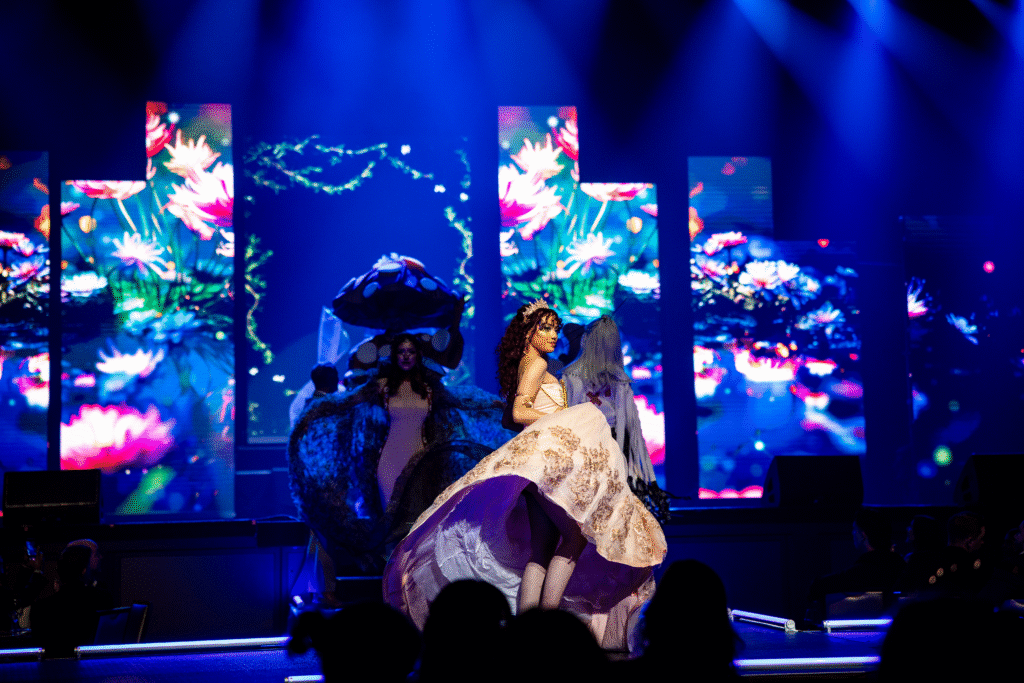
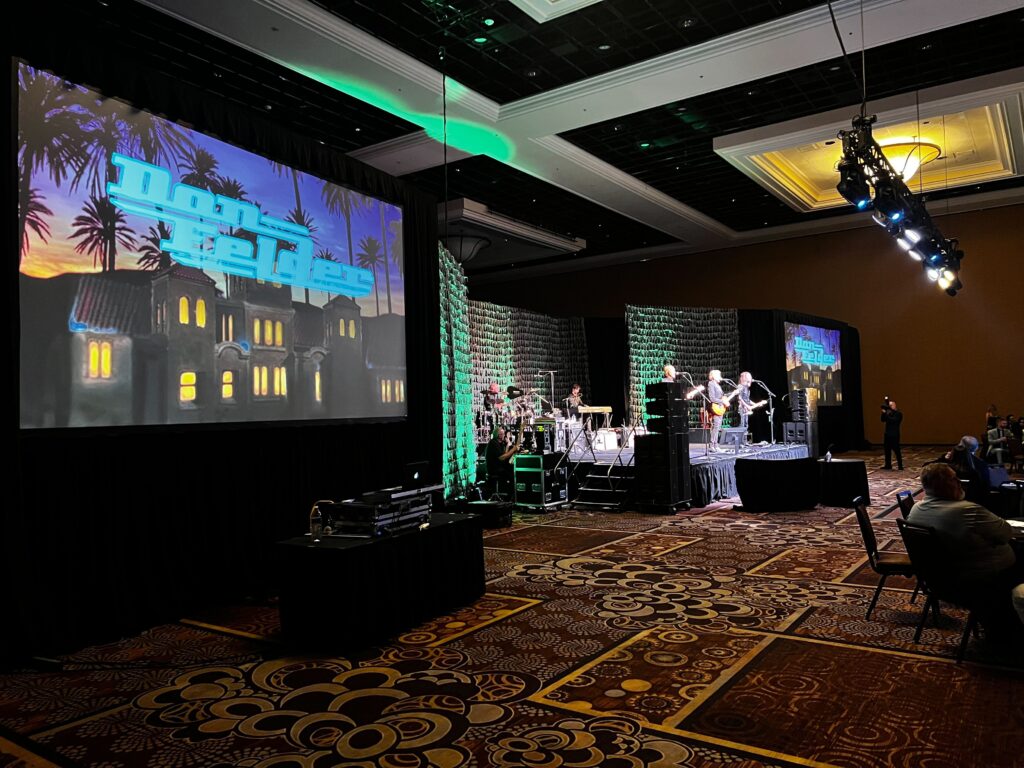
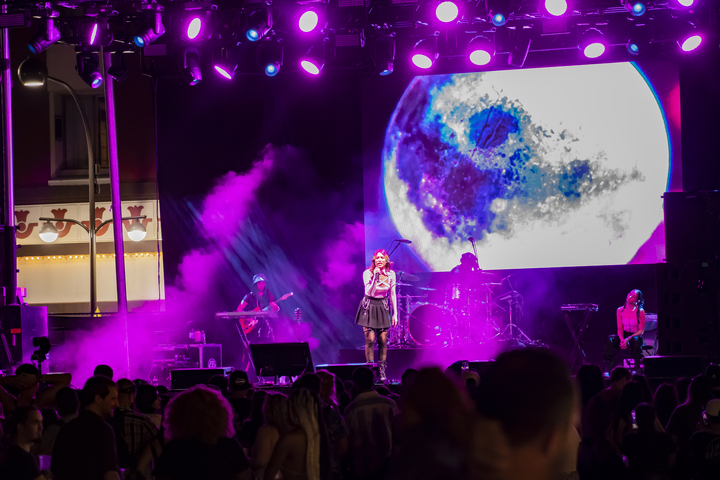
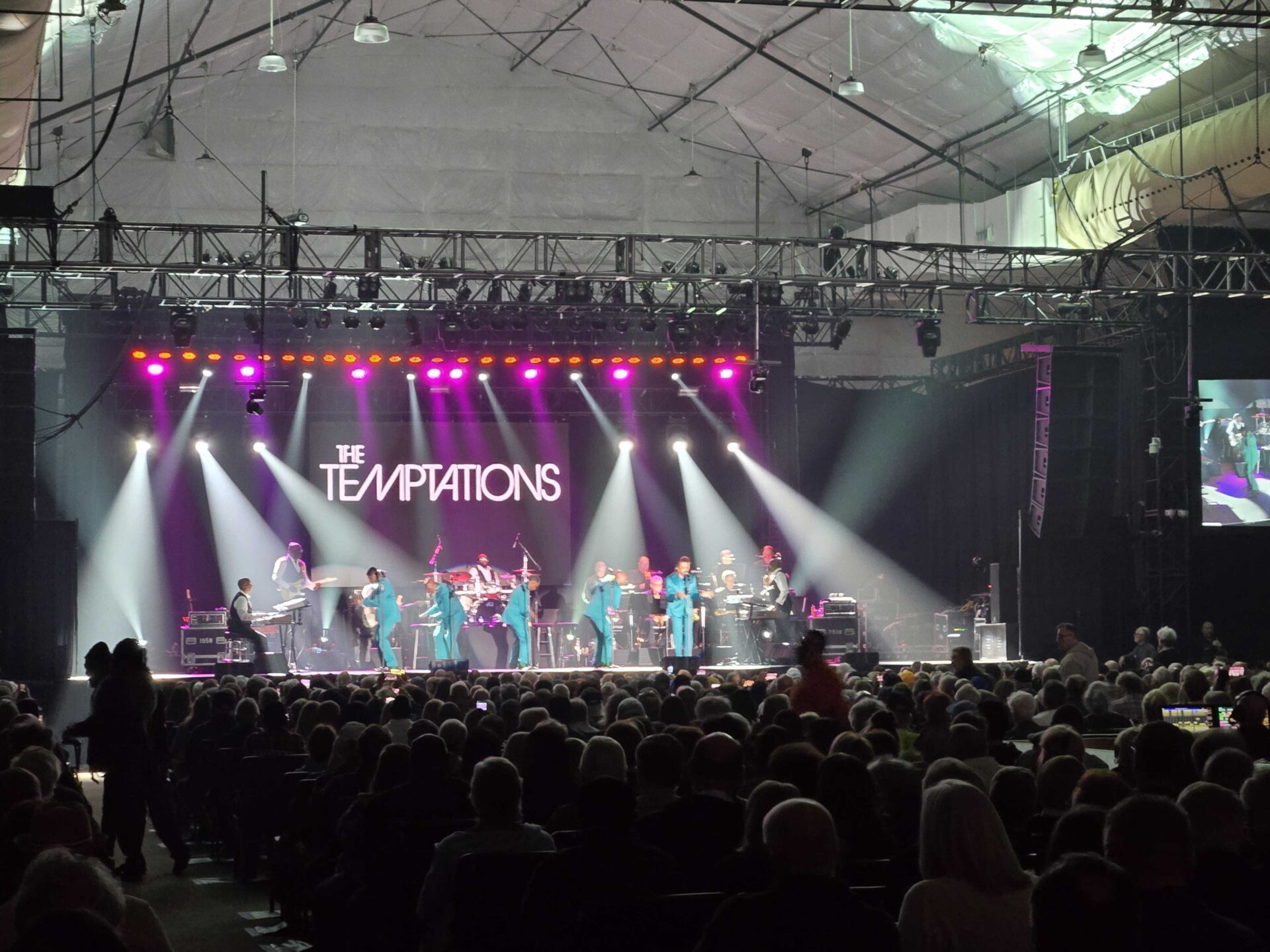
In a world saturated with content, strong visuals are what capture and hold attention. The visual elements of your event—from stage design and lighting to graphic content and video—set the tone and create the atmosphere. A cohesive visual strategy is essential for reinforcing your brand and delivering a powerful message.

Your visual content should be designed with your event’s theme and goals in mind. Work with graphic designers and video producers to create a consistent look and feel across all visual media. This includes presentation slides, video backdrops, on-screen graphics, and promotional materials. The style should match the energy of your event, whether it’s sleek and corporate or bold and energetic.

To take your visuals to the next level, explore emerging technologies. Projection mapping can transform a simple stage set or even the entire venue into a dynamic, three-dimensional display. Augmented Reality (AR) can be used to create interactive experiences through attendees’ smartphones, overlaying digital information onto the physical world. These technologies create “wow” moments that attendees will be eager to share, extending your event’s reach through social media.


4. Prioritize Flawless Sound Quality

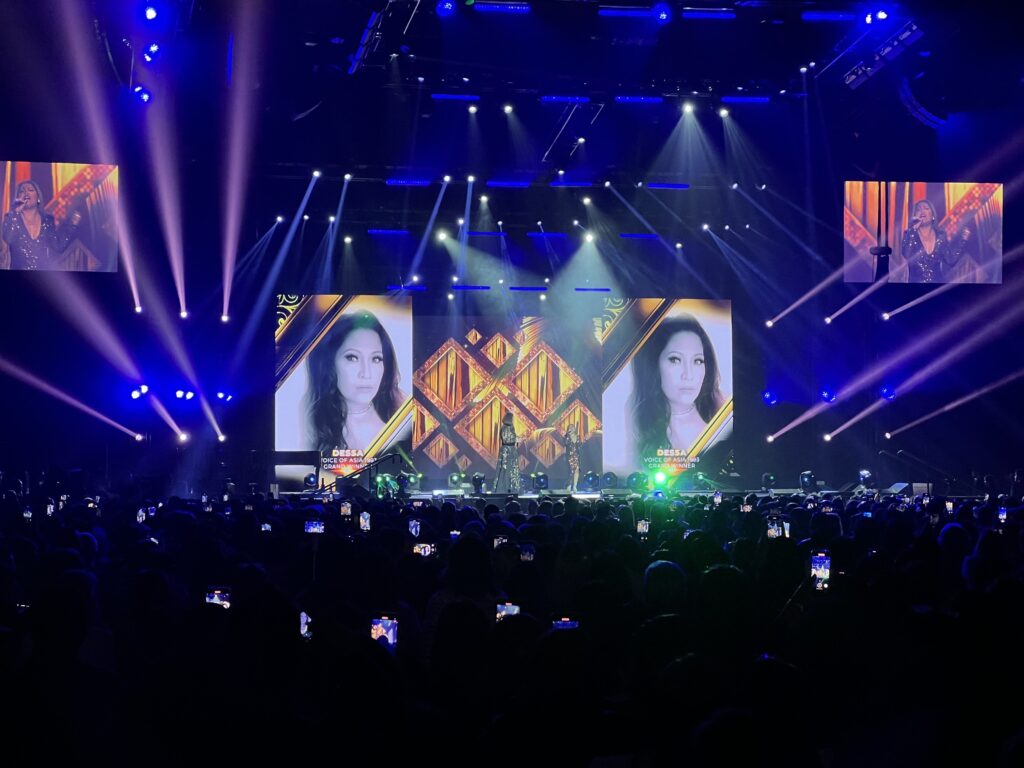
Visuals may capture the eyes, but sound captures the soul. Audio quality is one of the most critical—and often overlooked—elements of event production. Poor sound can undermine even the most compelling speaker or talented musical act. Whether it’s a keynote address, a panel discussion, or a live band, crystal-clear audio is non-negotiable.

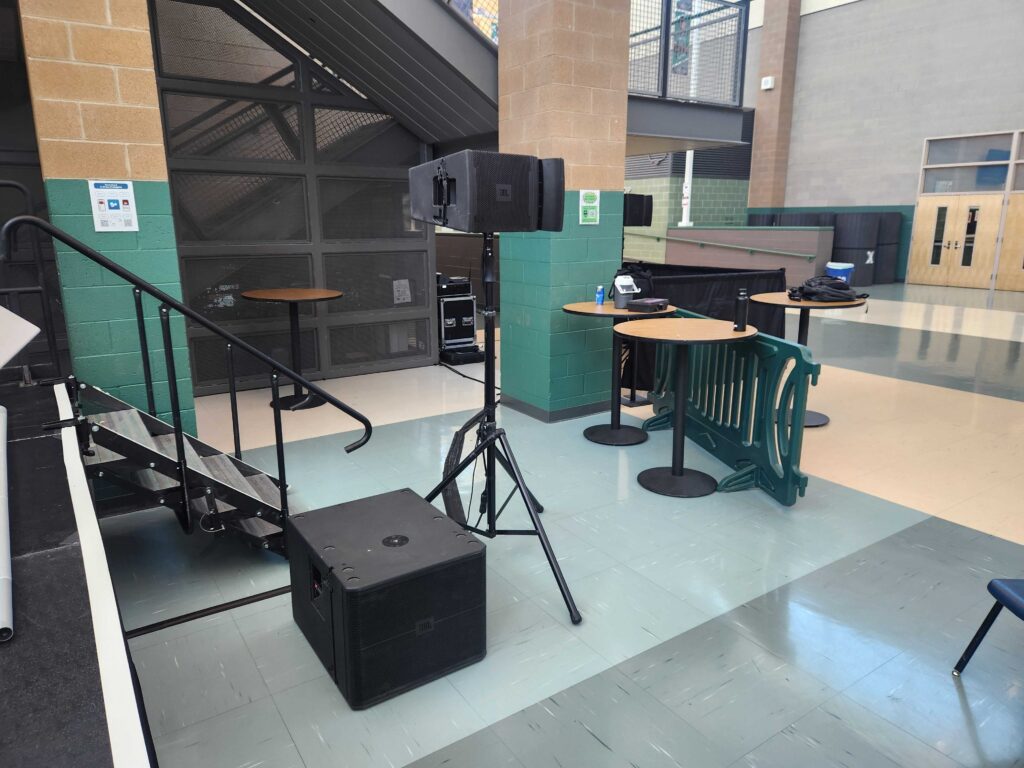
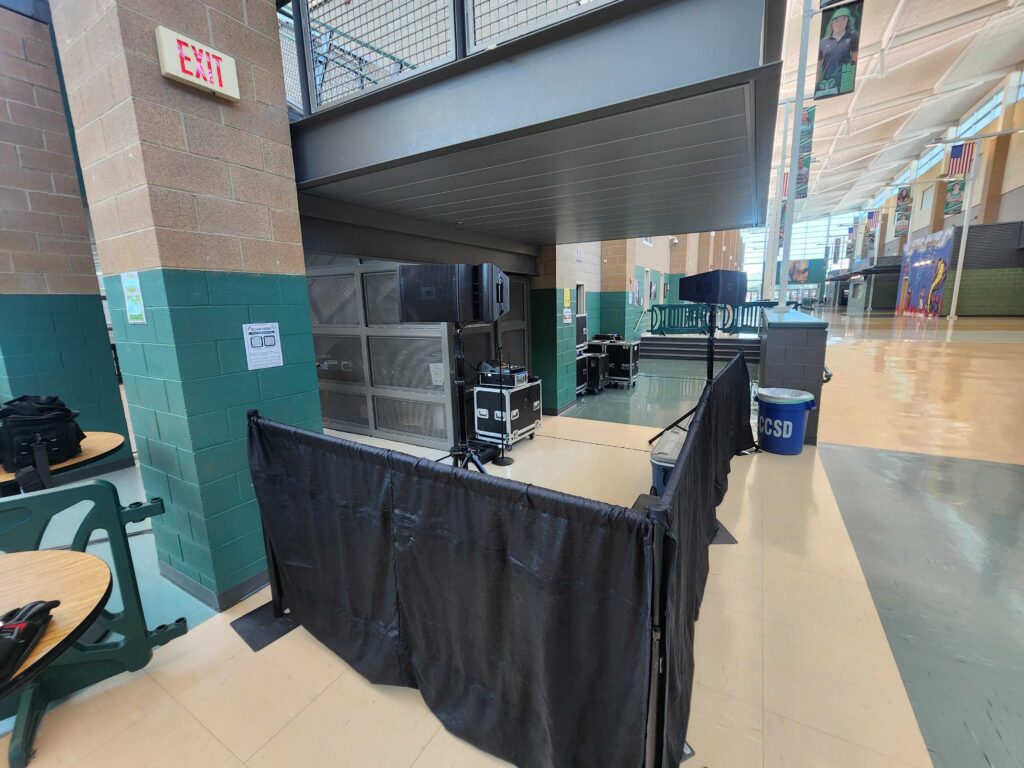
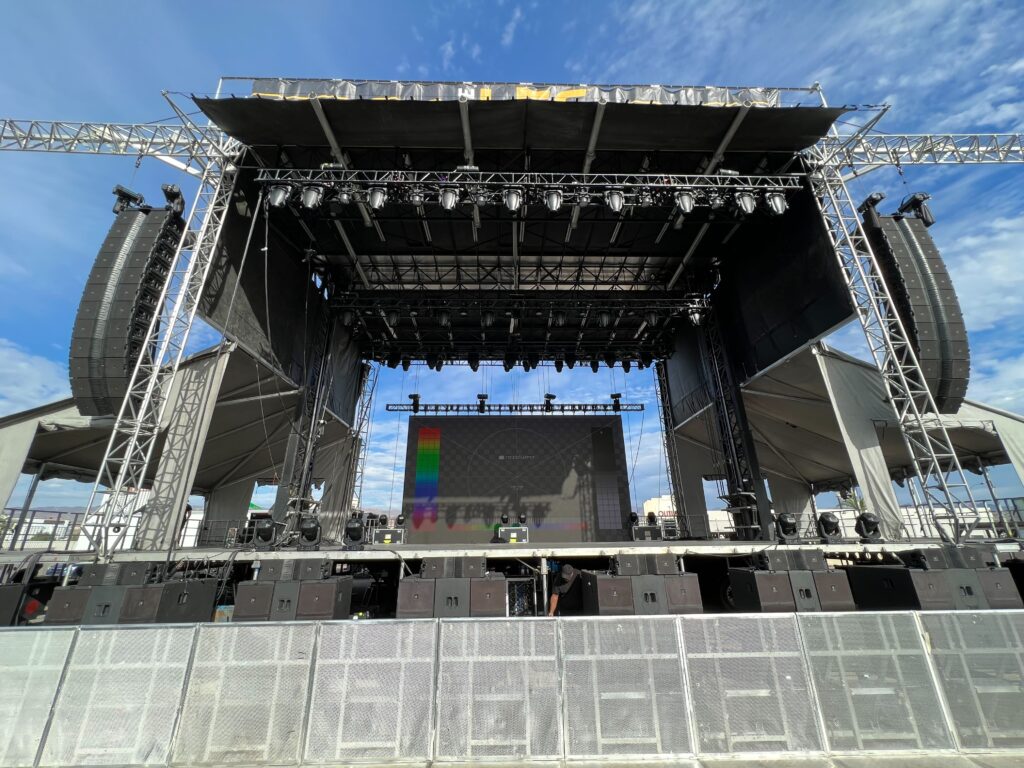
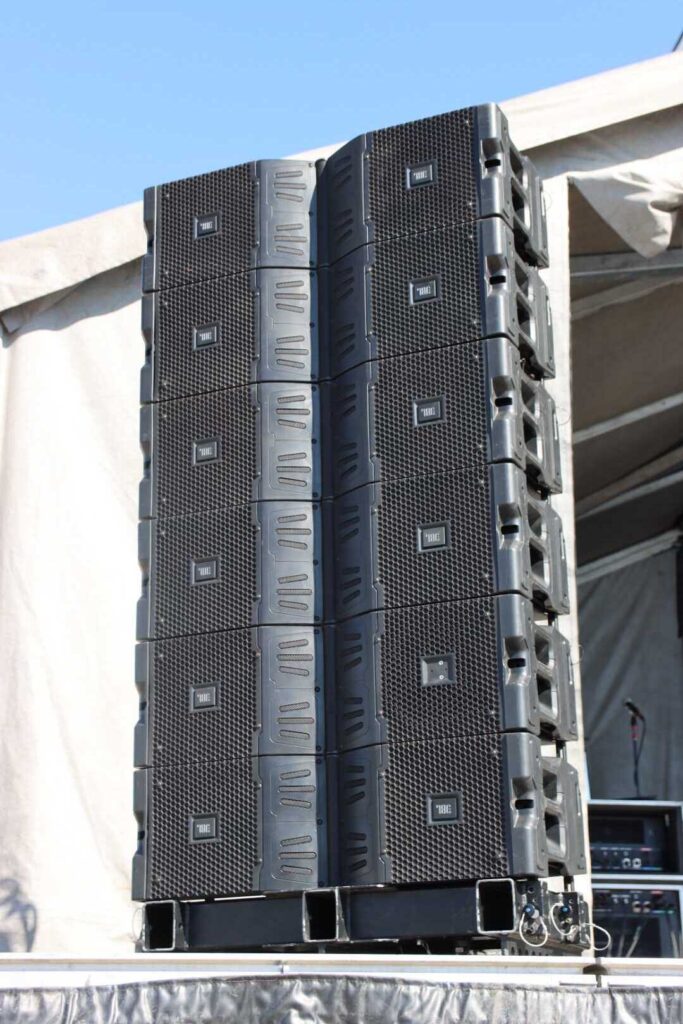
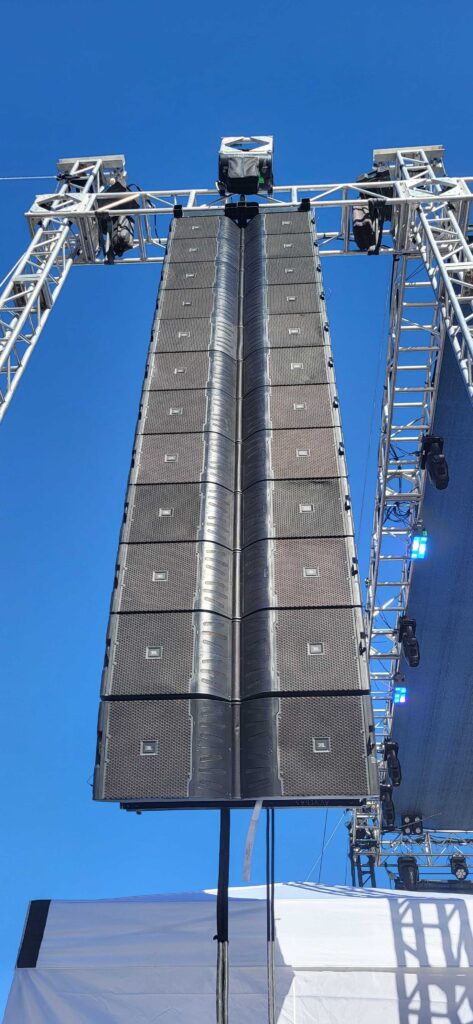
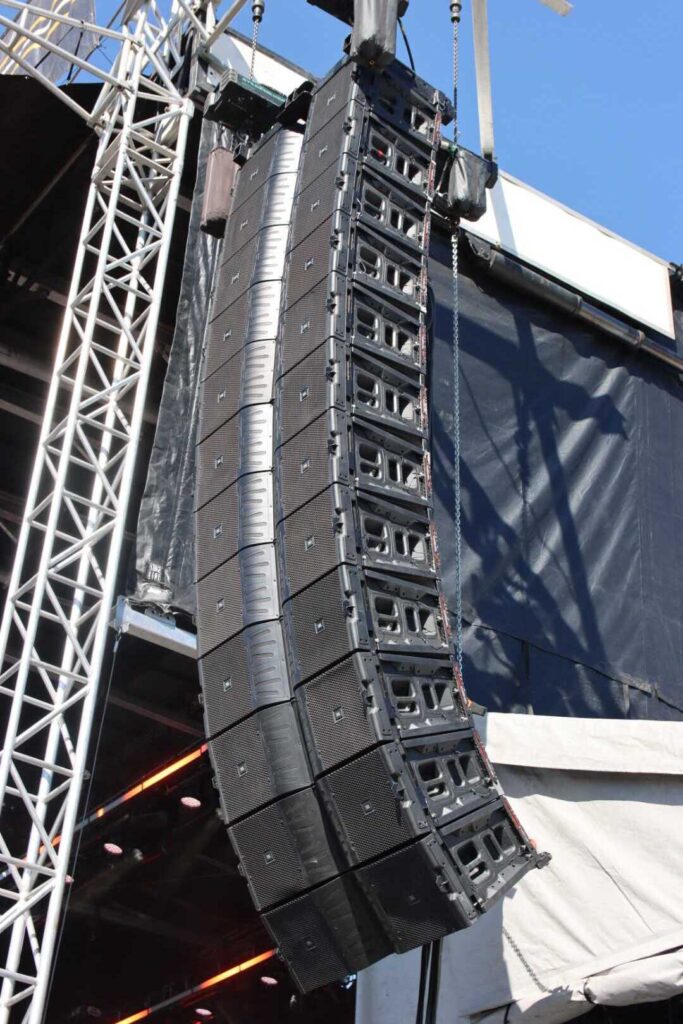
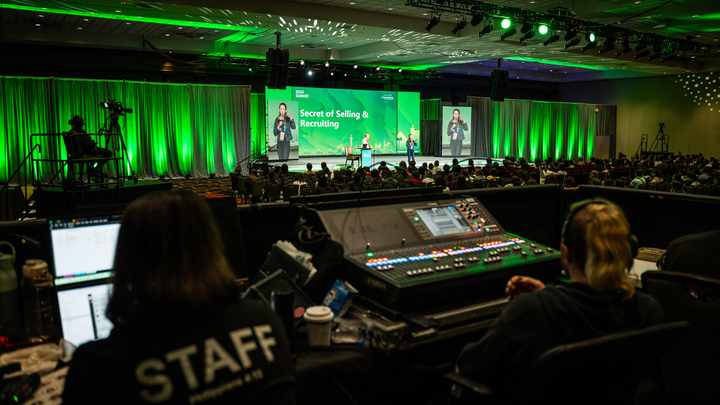
Achieving great sound starts with hiring an experienced audio team and using professional-grade equipment. Your sound technician should conduct a thorough site survey to understand the acoustics of the venue and design a sound system that provides even coverage for the entire audience. This means no dead spots or overpowering feedback.

Sound checks are absolutely essential. A comprehensive sound check should be conducted with every speaker and performer to ensure microphones, monitors, and playback systems are all working perfectly. This is the time to dial in levels, EQ each voice and instrument, and troubleshoot any potential issues. A few minutes of prevention during a sound check can save you from a major distraction during the live show. Remember, if your audience can’t hear the message, the message is lost.


Your Blueprint for Event Success

Organizing a successful event is a complex undertaking, but it doesn’t have to be overwhelming. By focusing on these core pillars of professional production—precise planning, audience engagement, stunning visuals, and impeccable sound—you can create an experience that leaves a lasting impression.

Use these expert tips as your guide for your next event. Invest the time in meticulous planning, think creatively about how to involve your audience, craft a compelling visual story, and never compromise on sound quality. By mastering these techniques, you’ll be well on your way to producing unforgettable events that your guests will be talking about for years to come.


Talk to a real live human: 702-878-5050